The fastest way to add 'Build a Website in a Day' to your services


This blog post covers why modern creators are moving away from traditional link directories like Linktree and provides a detailed comparison of the 10 best link-in-bio alternatives for 2026.
- The Problem with Linktree: Basic text-link stacks fail to engage visual audiences and force creators to use multiple paid third-party apps for booking, sales, and portfolios.
- The Solution: Modern "website-in-bio" tools unify portfolios, appointment scheduling, digital sales, and email capture into a single mobile landing page.
- Top Recommended Tools:
- Julip: Best overall for freelancers and service providers, featuring native calendar booking, visual portfolios, and 0% sales fees.
- Beacons: Best for content creators focusing on brand deals, featuring AI-built media kits and monetization analytics.
- Stan Store: Best for creators selling online video courses, digital products, and high-ticket coaching funnels.
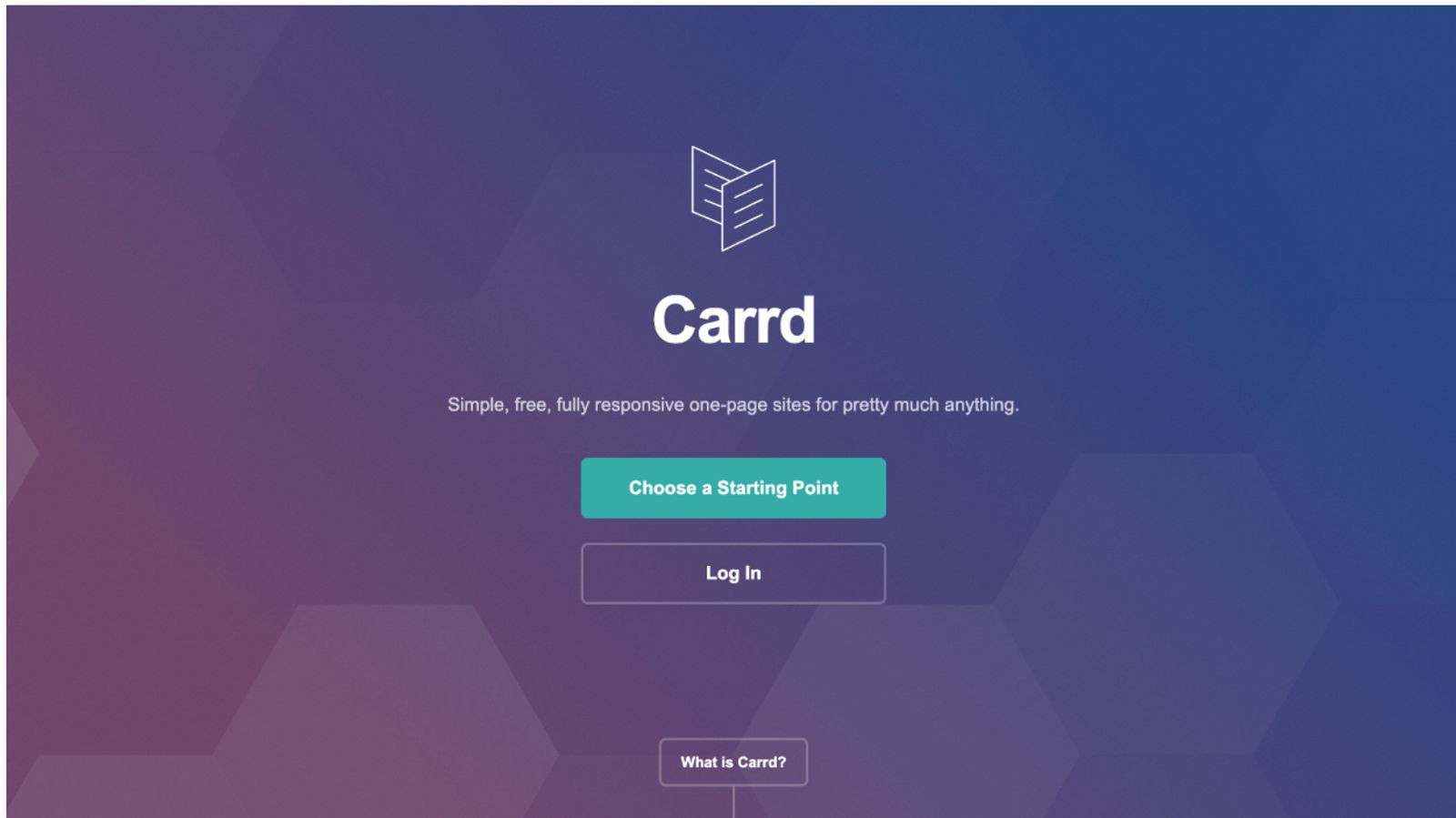
- Carrd: Best low-cost option for building fully customized, minimalist one-page websites.
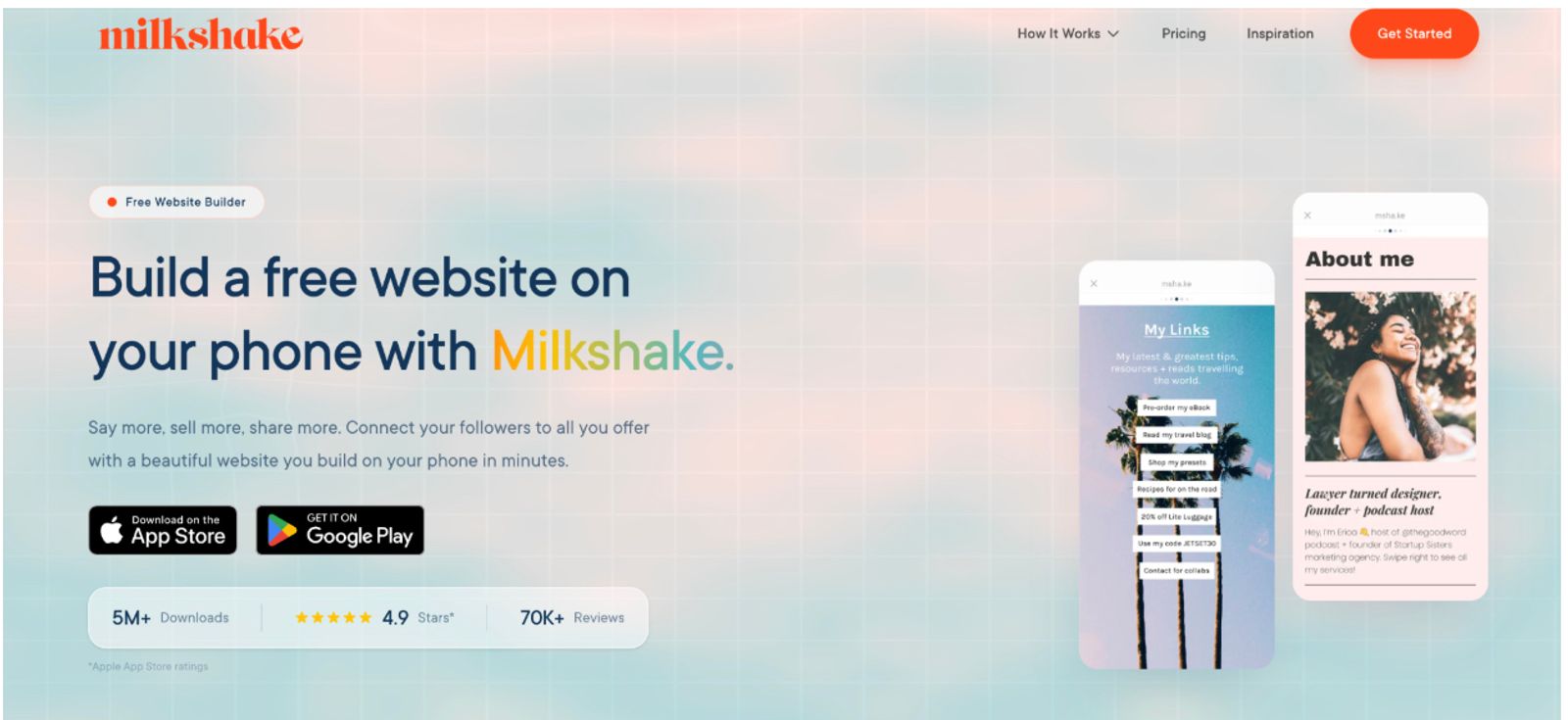
- Milkshake: Best for mobile-only users who want Instagram Story–style swipeable cards.
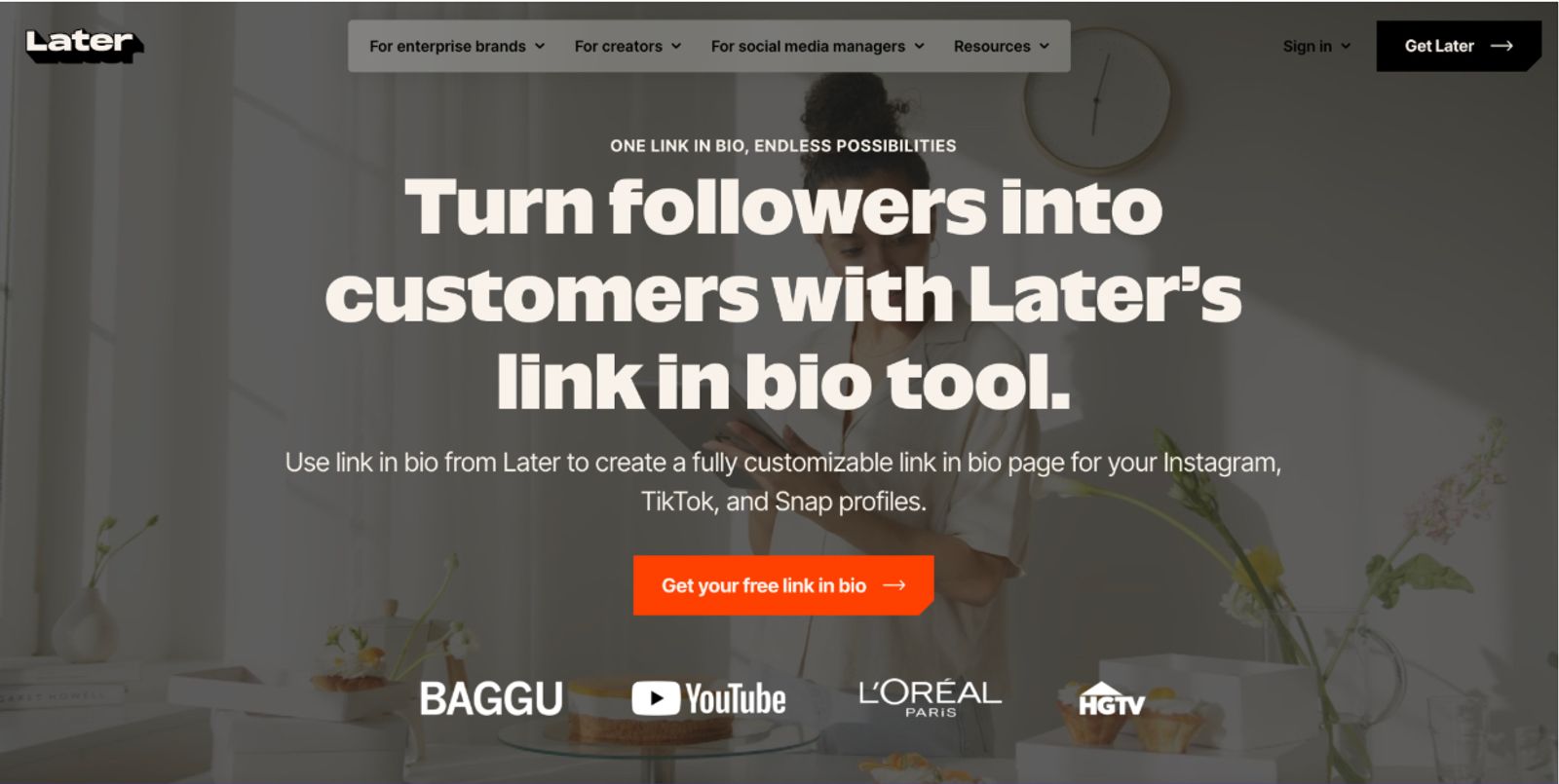
- Later (Link in Bio): Best for social media managers looking to turn their Instagram/TikTok feed into a shoppable grid.
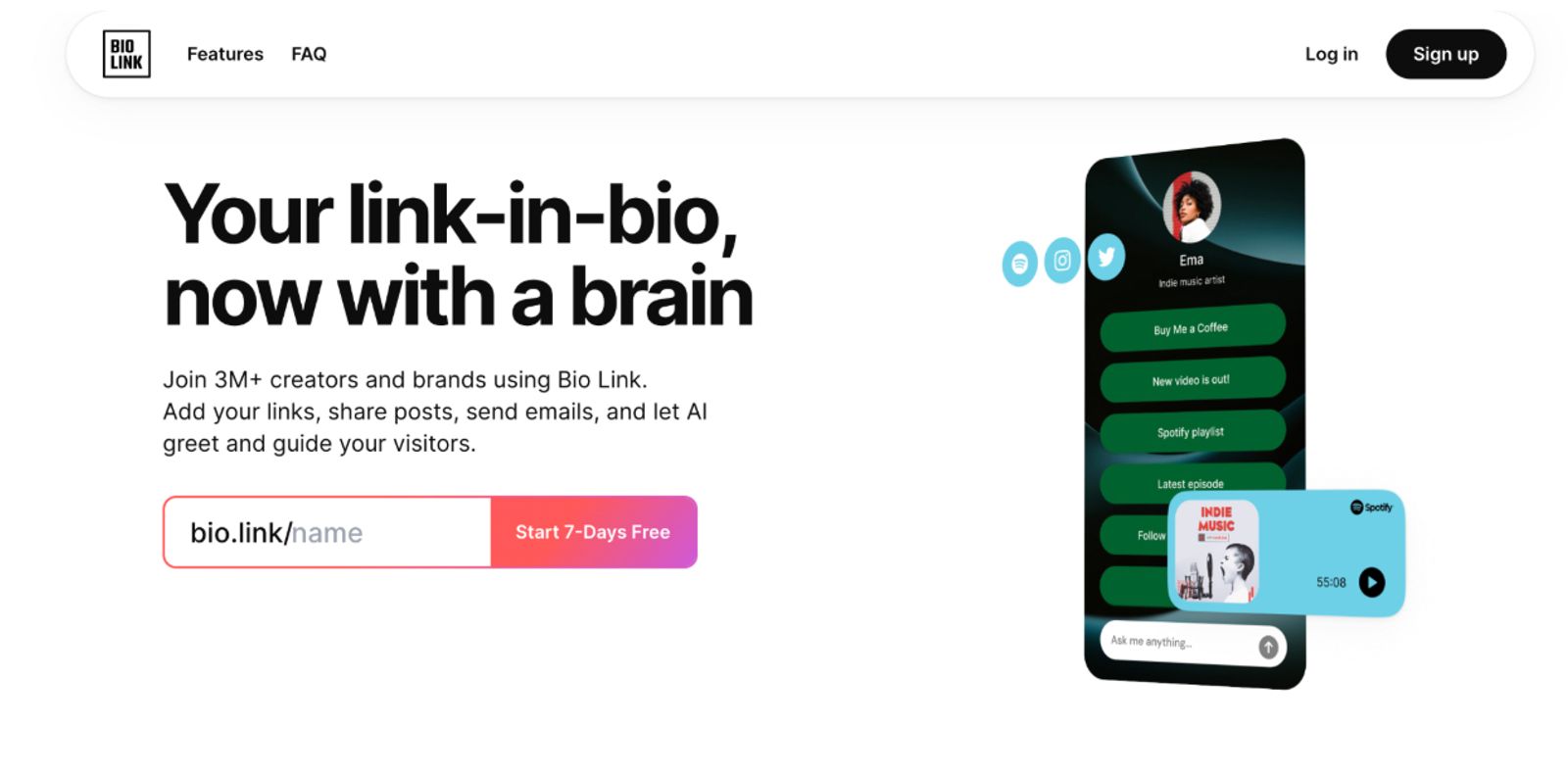
- Bio.link: Best lightweight, fast-loading, minimalist link aggregator for beginners.
- Taplink: Best for e-commerce brands wanting multi-page landing pages with direct chat messaging options (e.g., WhatsApp).
- Snipfeed: Best for digital creators offering 1-on-1 video consultations, custom shoutouts, and digital downloads.
- Solo.to: Best lightweight option for musicians, podcasters, and streamers needing rich media embeds.
- Key Selection Criteria: Tips on choosing the right platform based on your specific business model, along with responses to common questions about fees, custom domains, and integrated payment setups.
You watch your Instagram reels hit tens of thousands of views, yet your calendar stays completely empty. Your TikTok engagement is at an all-time high, but when followers click the link in your bio, they hit a dull wall of stacked buttons. You are asking them to leave social media, sift through ten identical options, navigate external booking links, and work out how to pay you across four disparate software platforms.
In 2026, forcing your audience to scroll through one long list of links simply does not convert casual visitors into high-paying clients. Creators, consultants, photographers, and independent freelancers are abandoning basic link directories in favor of unified digital storefronts. To build a sustainable digital business, you need a mobile landing page that showcases your portfolio, explains your value, accepts paid bookings, and delivers digital downloads in a single frictionless experience, rather than dumping followers into one long list of links.
Why Look for a Linktree Alternative?
Linktree popularized the bio link concept, but modern online businesses quickly outgrow its foundational layout. Relying on a basic link list creates two major friction points for growing professionals: visual disinterest and software fragmentation.
First, vertical lists of text buttons fail to capture visual attention. A prospective client clicking your bio link wants to see immediate proof of your expertise. They want to browse your portfolio, review client testimonials, and view your active service packages without jumping through external browser tabs.
Second, traditional bio links force you to manage a fragmented tech stack. To run a freelance practice, you end up paying for Linktree to host links, Calendly to schedule calls, Canva to display portfolio PDFs, and Gumroad or Typeform to collect payments. This combination easily exceeds $150 to $200 per month in disjointed software costs. Consolidating your bio link, scheduling, digital sales, and email capture into a unified platform eliminates customer drop-off while saving substantial operational budget.
Best Linktree Alternatives in 2026 at a Glance
Below is a direct comparison of the leading link-in-bio platforms, evaluating native booking features, sales transaction fees, free plan availability, and recurring costs.
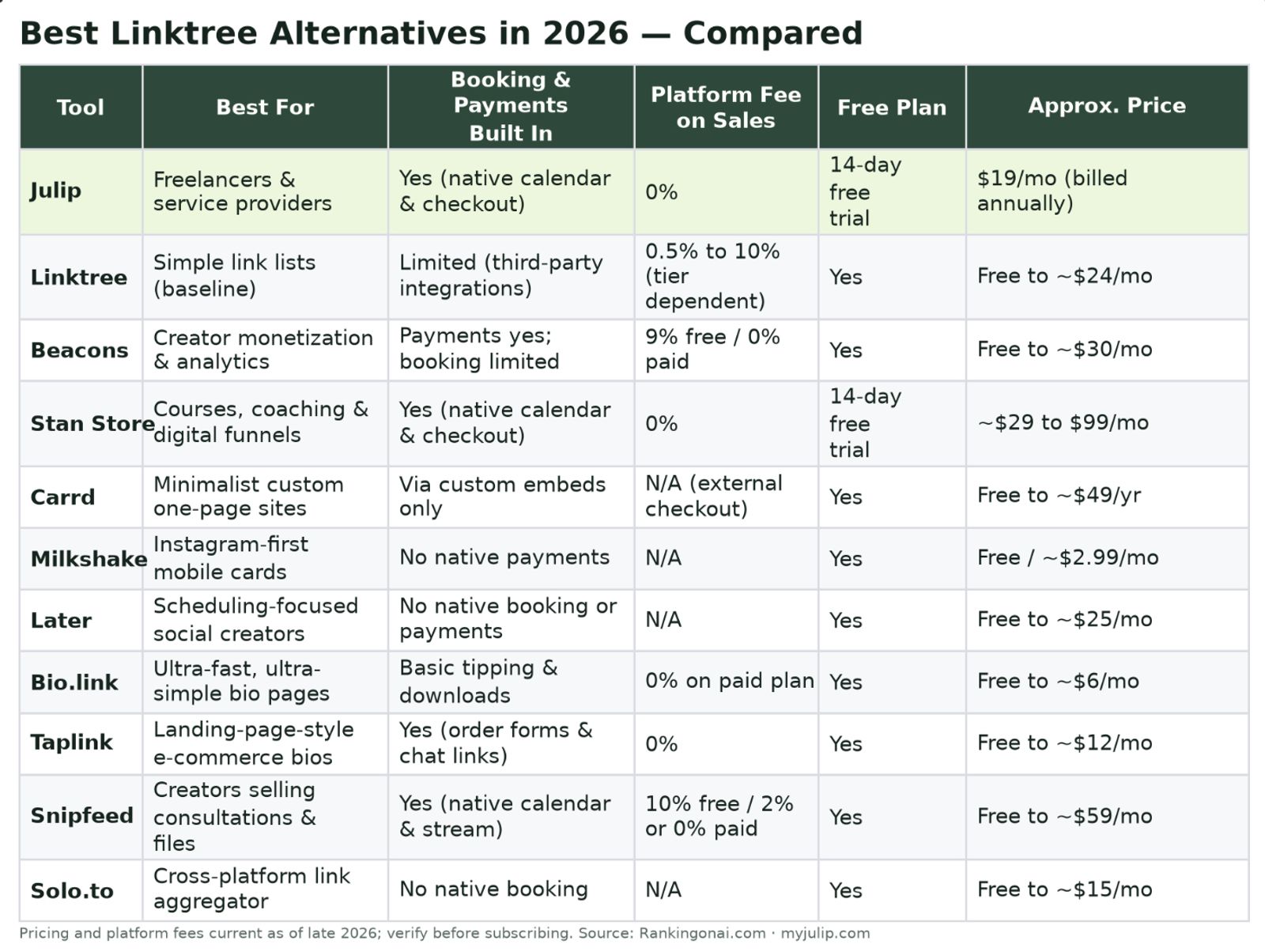
* Note: Pricing and platform fees are current as of late 2026. Always verify exact billing structures prior to subscription.
The 10 Best Linktree Alternatives in 2026
1. Julip
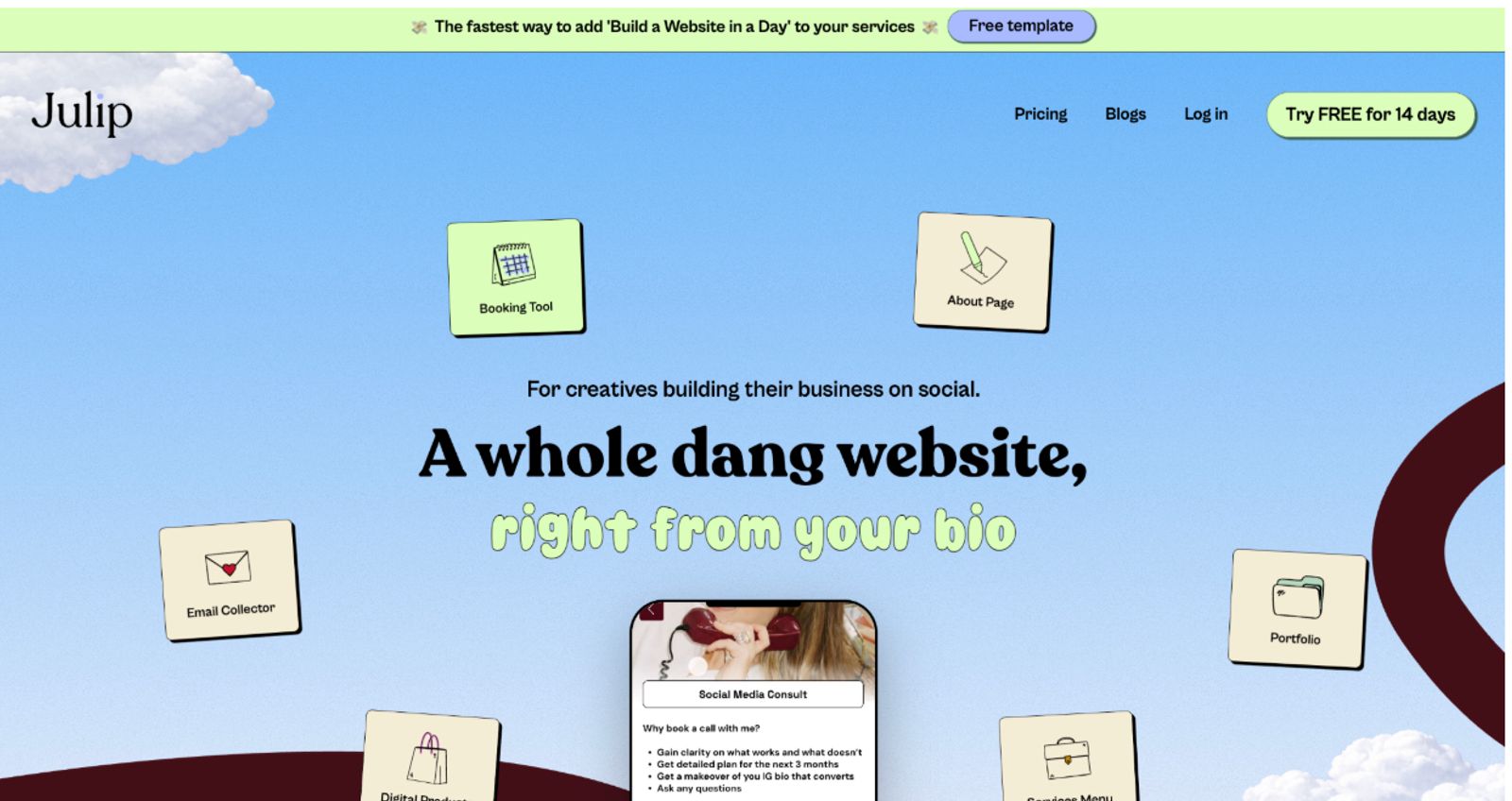
Best overall for freelancers and service providers
Julip is an all-in-one visual website-in-bio designed specifically for freelancers, consultants, and independent service professionals. It replaces static lists with dynamic visual blocks that display portfolios, service offerings, client reviews, and direct booking engines within a single mobile interface.
Rather than sending prospective clients to external calendar apps or external payment portals, Julip embeds direct scheduling and Stripe payment processing directly on your bio page. Visitors can inspect your past projects, select an open appointment slot for a paid strategy session, pay, and receive automated calendar invites without ever leaving your bio link.
Key Features:
- Integrated appointment booking engine with real-time calendar synchronization.
- Interactive visual portfolio displays for design work, photography, and case studies.
- Structured service menus with transparent pricing and instant checkout options.
- Embedded social proof blocks including verified client testimonials and FAQs.
- Native digital download distribution for PDFs, templates, and digital assets.
- Custom domain support, email sign-up forms, and real-time conversion analytics.
Pros:
- 0% platform transaction fee on all sales and bookings.
- Replaces Linktree, Calendly, Canva portfolios, and checkout software.
- Exceptional mobile design templates crafted for conversion.
Cons:
- No permanent free plan (offers a full 14-day free trial).
- Tailored primarily for services rather than complex physical inventories.
Pricing: $19 per month billed annually (or $25 billed monthly). 0% platform sales fees. Includes a 14-day free trial.
How it compares to Linktree: While Linktree leaves visitors staring at one long list of links to navigate on their own, Julip replaces the link dump with dynamic visual blocks, closing sales and booking client calls directly inside the bio link.
2. Beacons
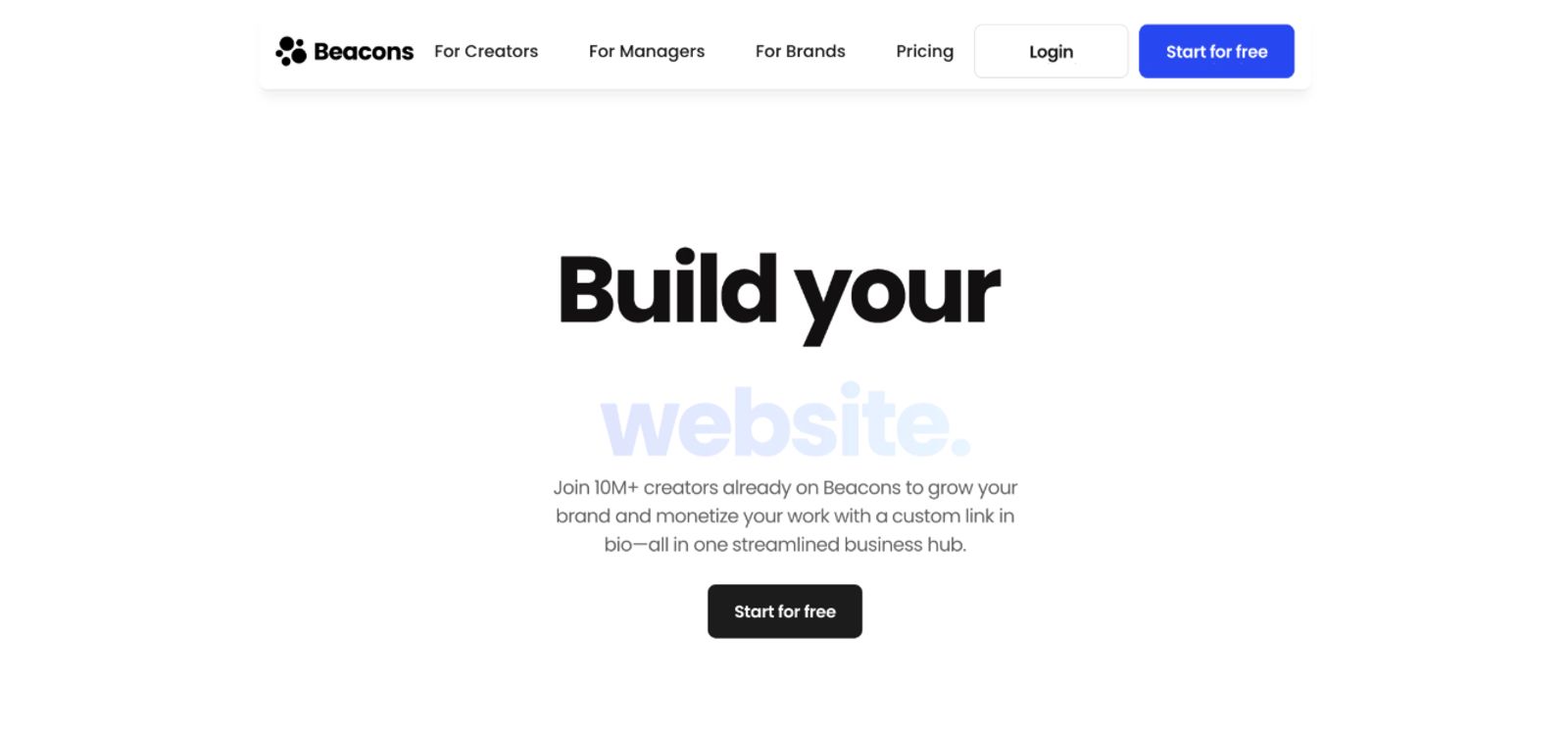
Best for creator monetization
Beacons is an AI-powered creator platform designed for influencers and content creators looking to monetize brand partnerships and digital products. It combines link-in-bio hosting with automated media kit generators, brand deal outreach tools, and integrated email marketing engines.
Beacons allows creators to lay out their bio page using modular design blocks. You can embed YouTube videos, Spotify tracks, digital store items, and affiliate product galleries easily. It provides robust audience analytics, helping creators track click-through rates and income streams across multiple social platforms.
Key Features:
- AI-assisted page builder that auto-imports branding from social handles.
- Auto-updating media kits that present real-time follower numbers and engagement rates to brands.
- Integrated digital product store for digital files and fan tipping.
- Built-in email list collection and broadcast campaign management.
Pros:
- Generous feature set available on the permanent free tier.
- Excellent automated media kits for influencer pitch workflows.
Cons:
- Free tier charges a steep 9% platform cut on digital product sales.
- Appointment scheduling functionality is limited compared to dedicated booking tools.
Pricing: Free tier available (9% transaction fee). Paid plans start at $10 to $30 per month (0% platform transaction fee).
How it compares to Julip: Beacons excels at influencer outreach and brand sponsorship tracking, whereas Julip is significantly stronger for service professionals requiring client call scheduling and portfolio showcases. Read our full Beacons vs Linktree comparison for more details.
3. Stan Store
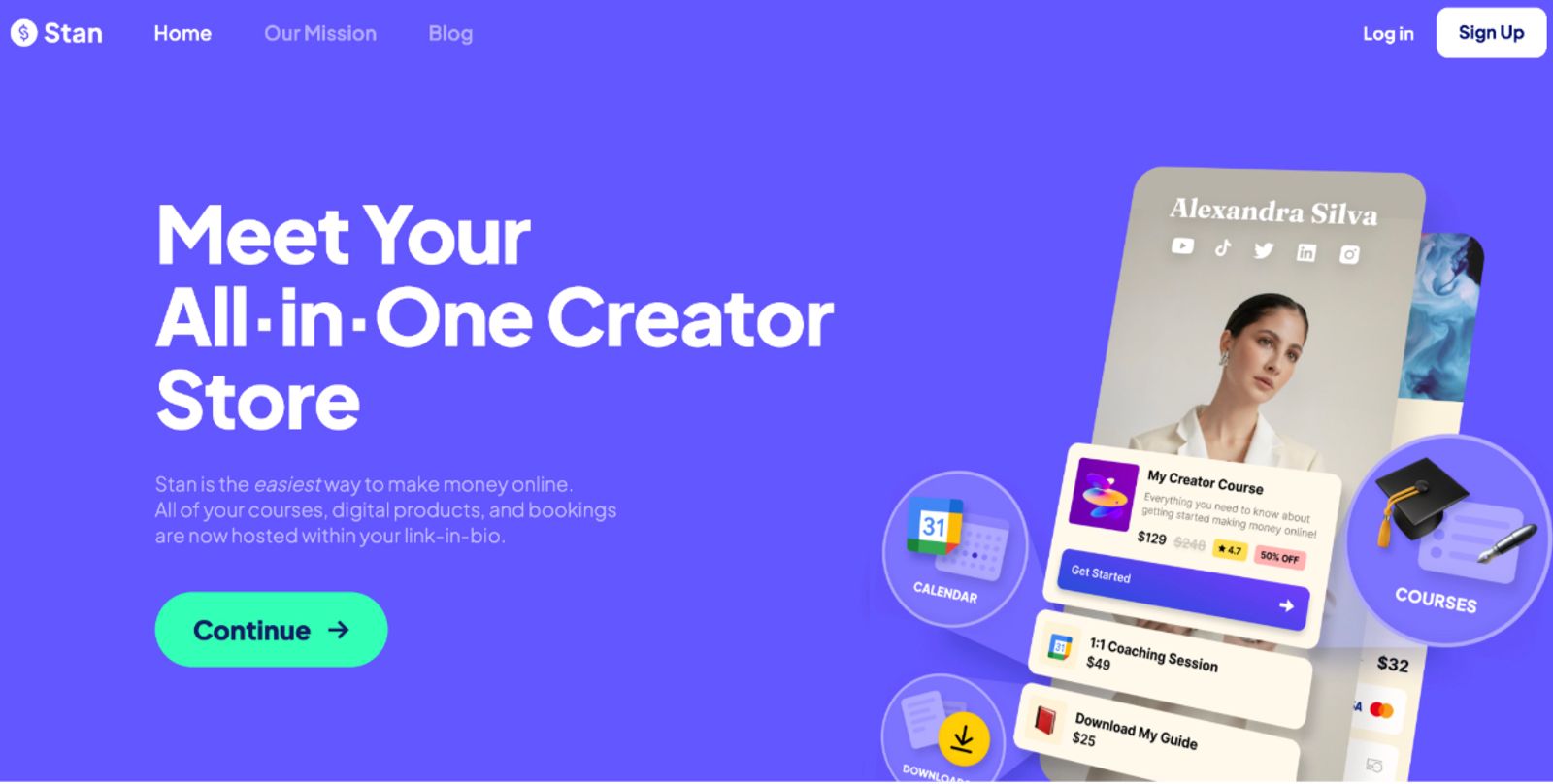
Best for selling courses and coaching
Stan Store is an e-commerce-driven link-in-bio platform built explicitly for creators selling digital downloads, course memberships, and high-ticket coaching programs. It converts your bio link into a single-page sales checkout funnel.
Stan Store minimizes buyer friction by keeping the entire checkout sequence on a single overlay. Clients can sign up for video courses, book recurring coaching calls, or purchase digital templates without visiting external web pages. It includes built-in email marketing flows and recurring subscription management.
Key Features:
- Native video course hosting and digital product delivery.
- One-click checkout overlays with automated upsell prompts.
- Built-in calendar scheduling for 1-on-1 coaching sessions.
- Automated audience email follow-up sequences post-purchase.
Pros:
- 0% platform fees across all subscription tiers.
- Highly effective sales funnel mechanics optimized for digital products.
Cons:
- High starting entry price compared to basic bio tools.
- Layout customization options feel somewhat rigid.
- Requires external tools like Canva for creative portfolio hosting.
- Affiliate marketing displays as text links only, lacking rich visual embeds.
Pricing: Creator plan costs $29 per month; Pro plan costs $99 per month. 0% platform transaction fees.
How it compares to Julip: Stan Store is tailored for selling online video courses and digital downloads, while Julip offers a superior design-first portfolio layout and service menu for freelancers and service providers. Explore additional Stan Store alternatives in our detailed roundup.
4. Carrd
Best for a minimalist one-page site
Carrd is a responsive website builder designed for constructing clean, custom, one-page websites. While not strictly a simple link aggregator, thousands of creators use Carrd as an advanced link-in-bio solution due to its complete drag-and-drop design freedom.
Carrd provides complete control over layouts, typography, animations, and color palettes. You can build minimalist landing pages, product launch previews, or custom bio pages that look like bespoke web domains rather than standardized social profile pages.
Key Features:
- Free-form drag-and-drop canvas with full design customization.
- Extensive library of clean pre-built landing page templates.
- Support for custom CSS, HTML embed code, and custom JavaScript.
- Integration with third-party payment gateways like Stripe, PayPal, and Gumroad.
Pros:
- Exceptionally affordable annual pricing options.
- Unrivaled layout customization and creative control.
Cons:
- Requires manual setup and third-party embeds for scheduling or sales.
- Slightly steeper learning curve for users without a design background.
Pricing: Free plan available. Pro plans range from $9 to $49 per year.
How it compares to Julip: Carrd provides raw visual flexibility but requires you to stitch together external booking and payment plugins, whereas Julip includes native client scheduling and transaction engines out of the box.
5. Milkshake
Best for Instagram-only mobile users
Milkshake is an iOS and Android app designed to build swipeable, story-style mobile micro-websites directly from a smartphone. It treats your bio link like an interactive Instagram Story swipe deck.
Instead of endless vertical scrolling, Milkshake organizes content into distinct visual "Cards." Users can swipe horizontally through pages dedicated to about info, service overviews, blog highlights, and external link buttons, making it ideal for visual platforms like Instagram and TikTok.
Key Features:
- Mobile-first app editor designed entirely for smartphones.
- Swipeable card layouts optimized for mobile gesture navigation.
- Simple styling customization options and font presets.
- Basic traffic analytics and individual link click tracking.
Pros:
- Extremely fast to publish directly from your mobile phone.
- Familiar story-style interface for mobile visitors.
Cons:
- No desktop editing interface available.
- Lacks native booking, payment processing, or digital commerce features.
Pricing: Free plan available; optional Pro upgrades cost around $2.99 per month.
How it compares to Julip: Milkshake offers a pleasant mobile swipe interface for simple information sharing, but lacks the professional portfolio modules, scheduling tools, and e-commerce capabilities built natively into Julip. Learn how to optimize your Instagram link in bio to increase conversions.
6. Later (Link in Bio)
Best for scheduling-focused creators
Later's Link in Bio is an integrated feature within Later's social media management and publishing suite. It translates your social media feed into a clickable, shoppable mirror page.
When followers click your Link in Bio page, they see an exact grid copy of your Instagram or TikTok feed. Each published post can be tagged with specific external links, blog articles, or product pages, allowing users to find featured items effortlessly based on visual post recognition.
Key Features:
- Direct synchronization with scheduled Instagram and TikTok posts.
- Shoppable post tagging for e-commerce store integration.
- Customizable banner headers, buttons, and profile avatars.
- Integrated social analytics dashboard tracking post-to-click conversions.
Pros:
- Ideal workflow for users already managing social content in Later.
- Seamless visual mapping from feed posts to landing pages.
Cons:
- Still relies on one long list of links below the visual feed for non-post destinations.
- No native client booking or service management infrastructure.
Pricing: Free tier available; paid social plan tiers range from $16 to $25+ per month.
How it compares to Julip: Later Link in Bio mirrors your social grid for content discovery, whereas Julip converts your social audience into active clients through structured service menus and integrated calendar scheduling.
7. Bio.link
Best free/simple bio page
Bio.link is a fast, lightweight link aggregator built for creators who want a clean, minimalist profile without unnecessary operational bloat. It focuses on rapid load speeds and minimalist aesthetic presentation.
Bio.link provides a clutter-free design interface, custom typography settings, social media icon rows, and embedded media players. It offers an uncluttered free tier that includes custom domain mapping, making it a great free Linktree alternative for beginners.
Key Features:
- Ultra-fast page load performance optimized for mobile browsers.
- Custom domain connection included on affordable tiers.
- Embed options for YouTube, Spotify, SoundCloud, and Apple Podcasts.
- Simple tipping and audience donation collection blocks.
Pros:
- Extremely clean UI with zero invasive branding on paid tiers.
- Budget-friendly upgrade path.
Cons:
- Lacks native scheduling, appointment calendars, or structured portfolios.
- Limited advanced marketing automation features.
Pricing: Free plan available; Pro tier starts at approximately $6 per month.
How it compares to Julip: Bio.link is essentially an optimized, faster version of one long list of links. While great for basic routing, Julip provides a complete business ecosystem with built-in client booking, paid consultations, and portfolio showcases.
8. Taplink
Best for landing-page-style bios
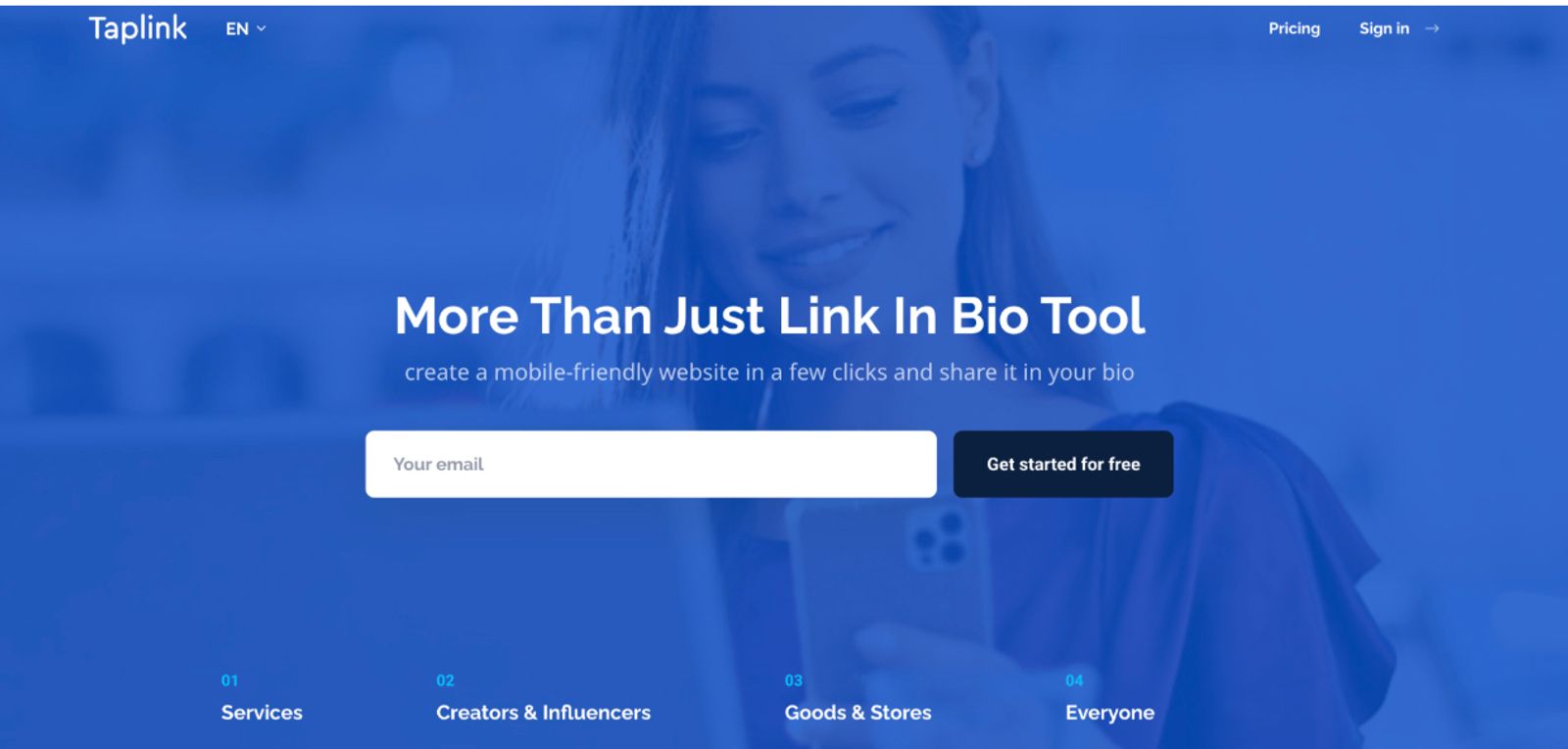
Taplink converts simple link lists into multi-functional, landing-page-style mini websites equipped with order forms and messaging shortcuts. It is popular among international e-commerce sellers and small retail shops.
Taplink lets users embed interactive product carousels, countdown timers, lead capture forms, and direct messaging triggers (WhatsApp, Telegram, Facebook Messenger). This allows visitors to initiate client chats or order products directly from the bio link.
Key Features:
- Interactive product carousels and visual promotional banners.
- Direct chat link triggers for WhatsApp, Telegram, and customer messaging.
- Custom lead generation forms and order collection modules.
- Time-sensitive promotional banners and countdown displays.
Pros:
- Great messaging integration for instant client chat leads.
- Strong multi-page structure support on higher plans.
Cons:
- Interface and pre-built templates feel somewhat dated.
- Booking calendars require third-party tool setups.
Pricing: Free plan available; paid tier plans range from $3 to $12 per month (billed annually).
How it compares to Julip: Taplink focuses on chat leads and small product sales, whereas Julip delivers a polished modern aesthetic tailored for service professionals, complete with native calendar scheduling.
9. Snipfeed
Best for creators selling digital products
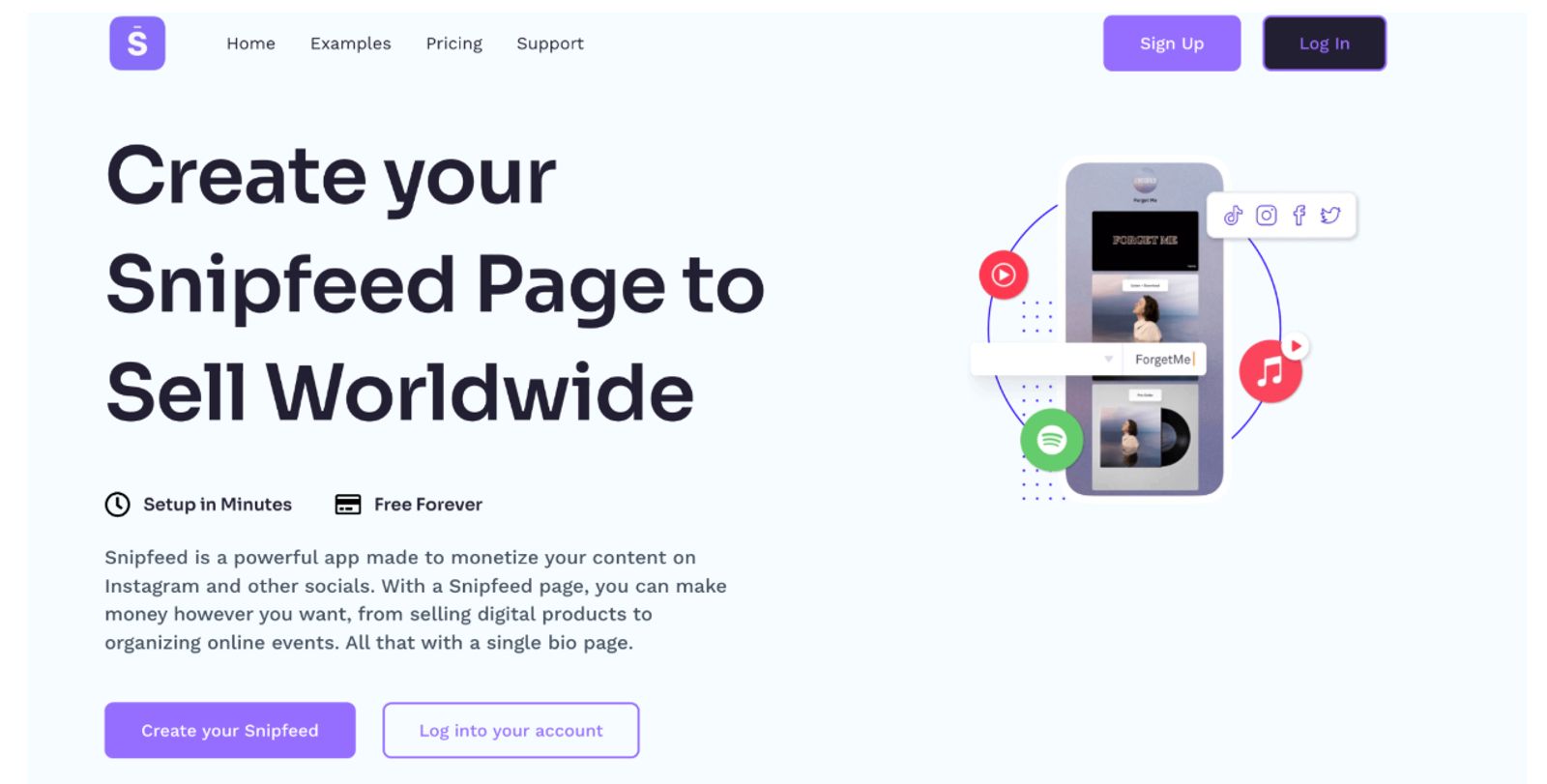
Snipfeed is a monetization-focused link-in-bio platform designed for digital creators, consultants, and live stream content creators. It merges simple link directories with digital storefronts and live event hosting.
Snipfeed enables creators to sell 1-on-1 consultations, custom video shoutouts, digital downloads, and exclusive Q&A livestreams directly through their bio link page, providing simple monetization tools for social media audiences.
Key Features:
- Native 1-on-1 consultation scheduling with integrated video calling.
- Digital file download storefront for templates and e-books.
- Tipping, custom video request forms, and paid content unlocks.
- Automated audience email list building and broadcast messaging.
Pros:
- Comprehensive monetization options for creator-audience interactions.
- Built-in tipping and video request collection tools.
Cons:
- Free tier charges a high 10% platform transaction fee.
- Design customization options can feel somewhat restrictive.
Pricing: Free plan available (10% transaction fee); Pro tiers cost $29 to $59 per month (low or 0% platform transaction fee).
How it compares to Julip: Snipfeed emphasizes creator tips and custom fan requests, while Julip provides a dedicated professional portfolio and service booking suite tailored for independent freelancers and consultants.
10. Solo.to
Best lightweight alternative
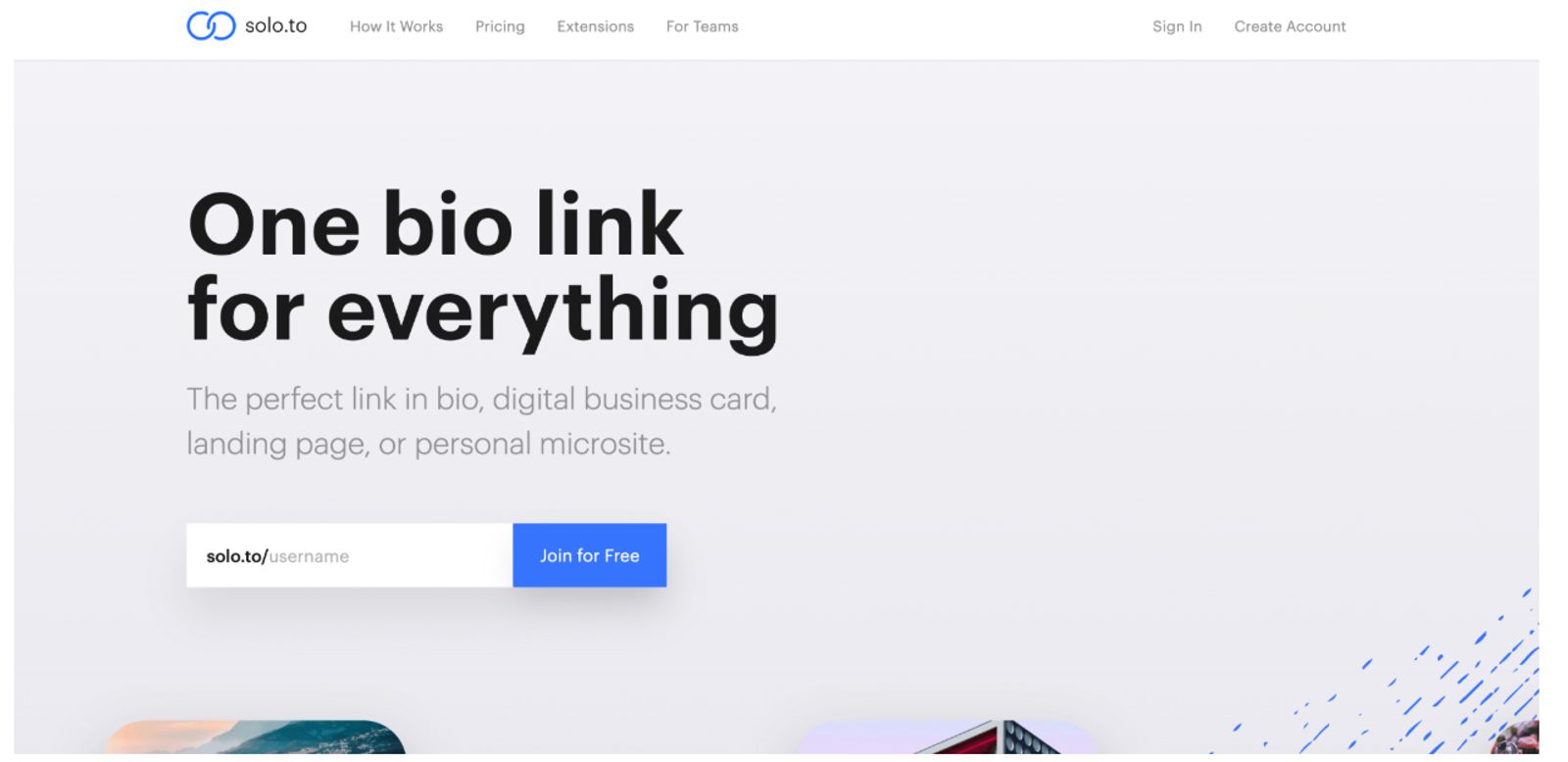
Solo.to is an efficient, sleek link aggregator built for cross-platform content creators, artists, and digital stream creators. It centralizes your music, videos, social channels, and affiliate links into one responsive, modern layout.
Solo.to features real-time audio and video preview embeds, allowing visitors to listen to Spotify tracks or watch YouTube videos directly within your bio link page without interrupting their browsing experience.
Key Features:
- Direct audio player and video media embeds.
- Dynamic theme customization, custom background video headers, and dark mode support.
- Social platform link categorization and section divider headers.
- Pixels integration for Facebook, Google, and TikTok tracking.
Pros:
- Sleek, modern UI that loads rapidly on mobile devices.
- Excellent embedded media playback support for musicians and podcasters.
Cons:
- At its core, it remains one long list of links with embedded players.
- No native booking, paid calendar appointments, or service packages.
Pricing: Free plan available; Professional tiers cost between $1.50 and $15 per month.
How it compares to Julip: Solo.to acts as a media-rich link hub for social sharing, whereas Julip functions as a complete sales and client booking website for service-based businesses. Check out our complete guide on how to add a link to your TikTok bio effectively.
Optional alternative for comprehensive websites: If your business requires complex multi-page navigation, dedicated blogging platforms, or advanced inventory databases, traditional website builders like Squarespace or Wix remain viable options. However, for mobile social traffic conversion, a streamlined website-in-bio platform yields far lower customer drop-off rates.
Linktree vs Beacons: Which Should You Choose?
Choosing between Linktree and Beacons comes down to whether you need a basic link directory or an AI-driven creator hub. Linktree provides a simple, dependable link listing service that takes minutes to set up. However, its low-tier plans offer limited styling options and charge transaction fees on sales.
Beacons provides far more built-in features for creators on its free plan, including automated media kits, AI copy generation, email capture, and audience analytics. The primary drawback is Beacons' 9% platform transaction fee on its free tier. If your primary goal is influencer brand deals and basic product sales, Beacons is the stronger choice. If you simply need basic web links, Linktree suffices. For a full three-way comparison between these tools and service-focused platforms, review our complete Beacons vs Linktree comparison guide.
How to Choose the Best Linktree Alternative for You
Selecting the right platform requires moving past one long list of links and matching tool capabilities to your specific business model. Identify your operating persona below to determine your ideal match:
- Solo Freelancers, Consultants, and Service Providers: Choose Julip. You need an all-in-one platform that combines visual portfolios, client testimonials, service pricing menus, and direct calendar bookings with 0% platform transaction fees.
- Content Creators Monetizing Audience Engagement: Choose Beacons. Take advantage of automated media kits, affiliate link management, and built-in creator analytics to pitch brand sponsorships.
- Digital Course Creators & Coaches: Choose Stan Store. Leverage single-page sales funnels optimized for digital downloads, course hosting, and automated coaching checkout.
- Budget-Conscious Web Designers: Choose Carrd. Build highly customized, minimalist one-page websites with total design freedom at a low annual cost.
Frequently Asked Questions About Linktree Alternatives
Is there a free Linktree alternative?
Yes, several platforms offer permanent free tiers, including Beacons, Bio.link, Carrd, Taplink, and Later. These free tiers let you build clean link trees and mobile landing pages. However, advanced features like 0% platform transaction fees, custom domain mapping, and automated calendar booking usually require upgrading to paid subscription tiers.
What is better than Linktree?
What is better depends on your business model. For freelancers and service professionals needing visual portfolios, client appointment scheduling, and integrated checkout, Julip is superior. For influencers tracking sponsor pitches, Beacons is excellent. For selling online courses, Stan Store leads the market.
Can I use a Linktree alternative without a website?
Yes. Modern link-in-bio platforms function as complete mini-websites. They display interactive portfolios, service menus, client testimonials, booking calendars, and digital downloads without requiring traditional web hosting or coding knowledge.
Does Linktree take a percentage of sales?
Linktree charges transaction fees ranging from 0.5% to 10% on payments and sales depending on your active subscription plan. Lower-tier plans carry higher platform cuts, whereas premium plans reduce or eliminate transaction fees.
Is there a Linktree alternative that doesn't take a cut of your sales?
Julip and Stan Store charge 0% platform transaction fees across all paid plans, allowing you to keep 100% of your earnings minus standard Stripe processing fees. Beacons offers 0% platform fees only on its paid subscription tier.
What is the best Linktree alternative for creators and small businesses?
Julip is ideal for service-based businesses, consultants, and creative freelancers who require appointment booking and portfolio showcases. For creators focused on affiliate revenue and brand deal pitches, Beacons offers a powerful suite of creator monetization tools.
Which Linktree alternative has booking and payments built in?
Julip, Stan Store, and Snipfeed feature fully native booking calendars paired with integrated payment processing. Julip provides complete calendar synchronization for client consultations, strategy sessions, and service packages natively inside your bio link.
Can I use a custom domain with a Linktree alternative?
Yes, almost every top alternative, including Julip, Beacons, Stan Store, Carrd, and Bio.link, allows you to map your custom personal domain (e.g., yourname.com) on paid subscription tiers to reinforce professional brand identity.
What is the best free Linktree alternative for selling digital products?
Beacons and Snipfeed provide free plans supporting digital product storefronts, though both charge transaction fees on their free tiers. To retain 100% of digital product sales revenue, upgrading to Julip or Stan Store is recommended.
Upgrade Your Bio Link into a High-Converting Storefront
Continuing to send highly engaged social media followers to one long list of links costs you potential clients, bookings, and revenue every single day. Modern audiences expect a seamless visual experience that lets them explore your work, evaluate your offerings, and hire you in a few taps, without getting lost in an endless directory of text buttons.
Stop paying for four separate tools to run your independent business. Test-drive Julip today with a 14-day free trial and convert your bio link into a high-converting website-in-bio.