The fastest way to add 'Build a Website in a Day' to your services

Key Takeaways
- The Ultimate Winner: Julip stands out as the best website builder for small business creators, freelancers, and service providers, replacing clunky multi-tool setups with a $19/month all-in-one website-in-bio featuring 0% platform commission fees.
- Best for Stores: Shopify remains one of the strongest options for heavy inventory and physical e-commerce logistics.
- Best for Multi-Page Sites: Wix and Squarespace provide robust design flexibility for large service agencies or boutique brand showrooms.
- What to Look For: The best small business websites prioritize lightning-fast mobile layouts, native calendar booking, custom domains, direct payment processing, and zero hidden sales cuts.
The best website builder for small business depends on what your business sells: Julip for solo creators and service providers who work from one link, Wix for flexible all-round sites, Squarespace for design-led brands, and Shopify for product-heavy stores.
Truly, picking the right platform comes down to matching your daily grind with a tool that actually makes sense. So in this guide, we tested the top contenders to find out which options genuinely pull their weight.
Read on for the complete breakdown by business type, featuring everything from budget-friendly options to all-in-one hubs with booking and payments built right in.
The Best Website Builders for Small Business at a Glance
Below is the complete comparison table summarizing each platform across key operational criteria.
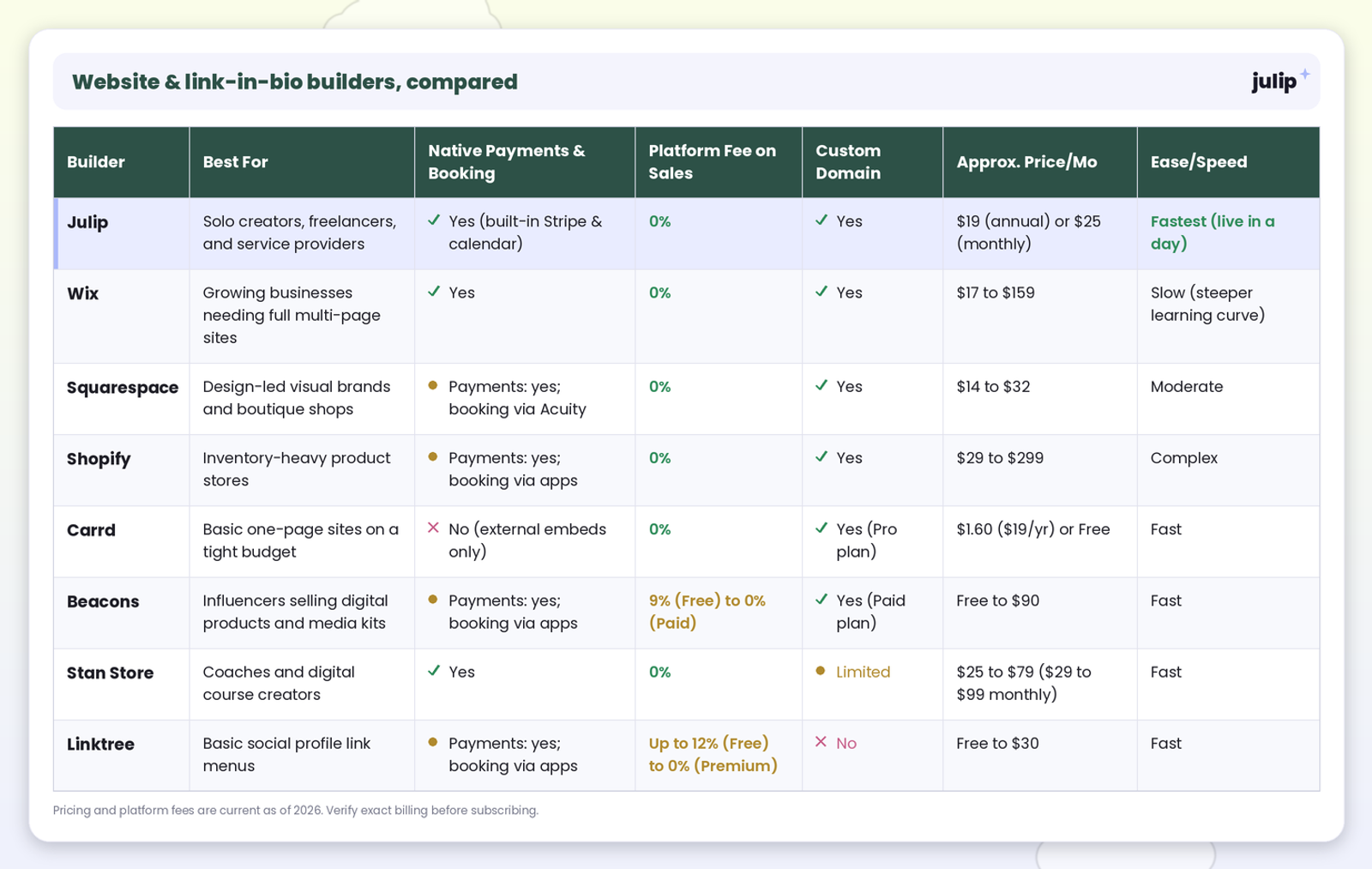
*Note: All pricing tiers and platform fees are current at the time of writing and subject to change by respective platform providers.*
How We Choose the Best Small Business Website Builder

When it comes to choosing the best website builder for small businesses, testing what actually works in the real world is the way to go rather than relying on marketing hype. Every single tool on the market promises the world, but your real priority is figuring out which option keeps your daily operations running smoothly without draining your budget.
First, we'll look at the core criteria that separate a mediocre setup from a high-converting digital home, followed by a look at whether a lightweight link-in-bio website actually fits your business model better than a bulky multi-page setup.
The Criteria That Matter
Nailing down the best website builders for small business starts with checking a few foundational boxes before you spend a dime.
- Cost and Fees: Look past the base monthly subscription and check for hidden platform commissions on your sales. Options like Julip charge 0% platform fees so you keep every dollar, while other tools take a heavy cut of your revenue.
- Speed of Setup: Time equals money when you’re running operations solo. Plug-and-play layouts let you launch a complete small business website in minutes rather than spending weeks coding layouts.
- Payments and Bookings: Centralizing your client calendar and checkout flows into one hub keeps conversions high. A proper website builder for service business needs native booking slots and direct payment integrations without requiring separate subscriptions.
- Mobile Conversion: Over half of your web traffic will view your pages on a smartphone. For this reason, responsive design ensures your content looks immaculate on mobile without manual reformatting.
- SEO and Custom Domain: Ranking on search engines requires clean metadata and custom domain support. So owning your web address builds instant authority with clients and corporate partners.
- Email and Pixel Tracking: Capturing leads through automated freebies helps build your email list on autopilot. Pixel support lets you retarget visitors across social media channels effortlessly.
- Scalability: Your digital home needs room to grow alongside your brand. And a reliable all-in-one website builder transitions smoothly from a simple portfolio into a robust digital storefront.
Do You Need a Full Website or a Website-in-Bio for your Small Business?
Many solo operators and service providers find that a modern link-in-bio website provides everything they need without the bloat of a traditional multi-page site.
Centralizing a portfolio, service menu, checkout, and booking system into a single high-converting hub replaces messy tool stacks and keeps client acquisition frictionless.
The Best Website Builders for Small Business, Ranked by Business Type
Sorting through software options gets a whole lot easier once you look at tools tailored to specific business models rather than generic one-size-fits-all promises.
Below are the top platforms tested across every major operational category so you can find the ideal match for your exact setup.
Julip: Best Small Business Website for Creators, Freelancers, and Service Providers
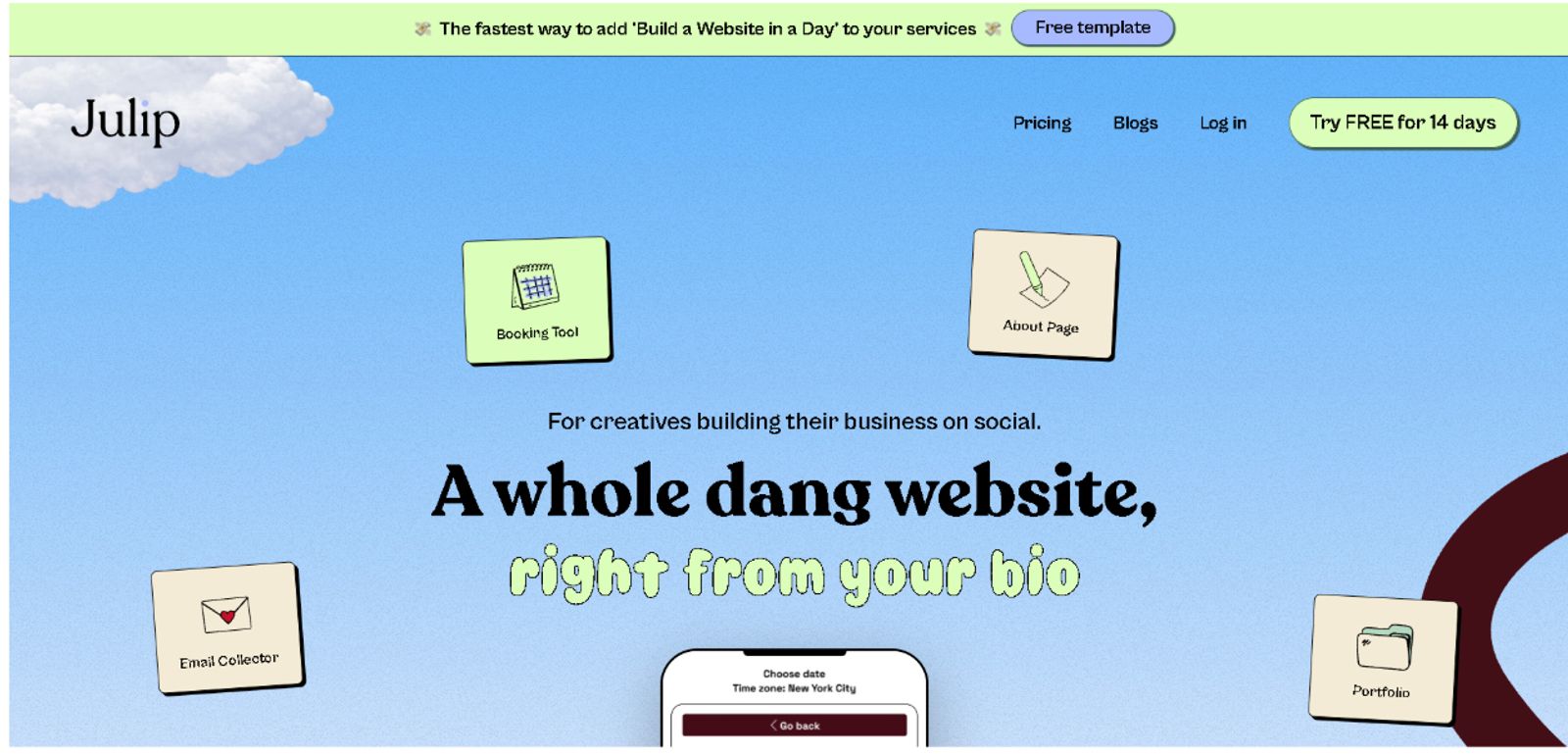
Julip tops the list as the overall best website builder for freelancers and small business operators, giving solo creators, coaches, photographers, and social media managers a clean home for their entire business.
You get a visual portfolio, service menu, digital product storefront, appointment calendar, and email collector bundled together for $19 a month. Building your site takes minutes on mobile or desktop, letting you skip complicated software setups and start booking clients immediately.
Because it’s so visual and mobile-friendly, it also works incredibly well as a website builder for photographers who want to skip complicated software setups and start booking clients immediately.
- Best for: Solo operators who want a high-converting alternative to cluttered link lists.
- Standout features: Automatic portfolio syncing, integrated Stripe checkout with 0% platform cuts, native calendar bookings, and custom visual storefronts.
- Pricing & fees: $19 per month billed annually (or $25 monthly), with zero transaction fees taken by the platform.
- Limitations: Built specifically for creators and service-provider websites rather than massive enterprise multi-warehouse retailers.
Wix: Best All-Round Small Business Website Builder
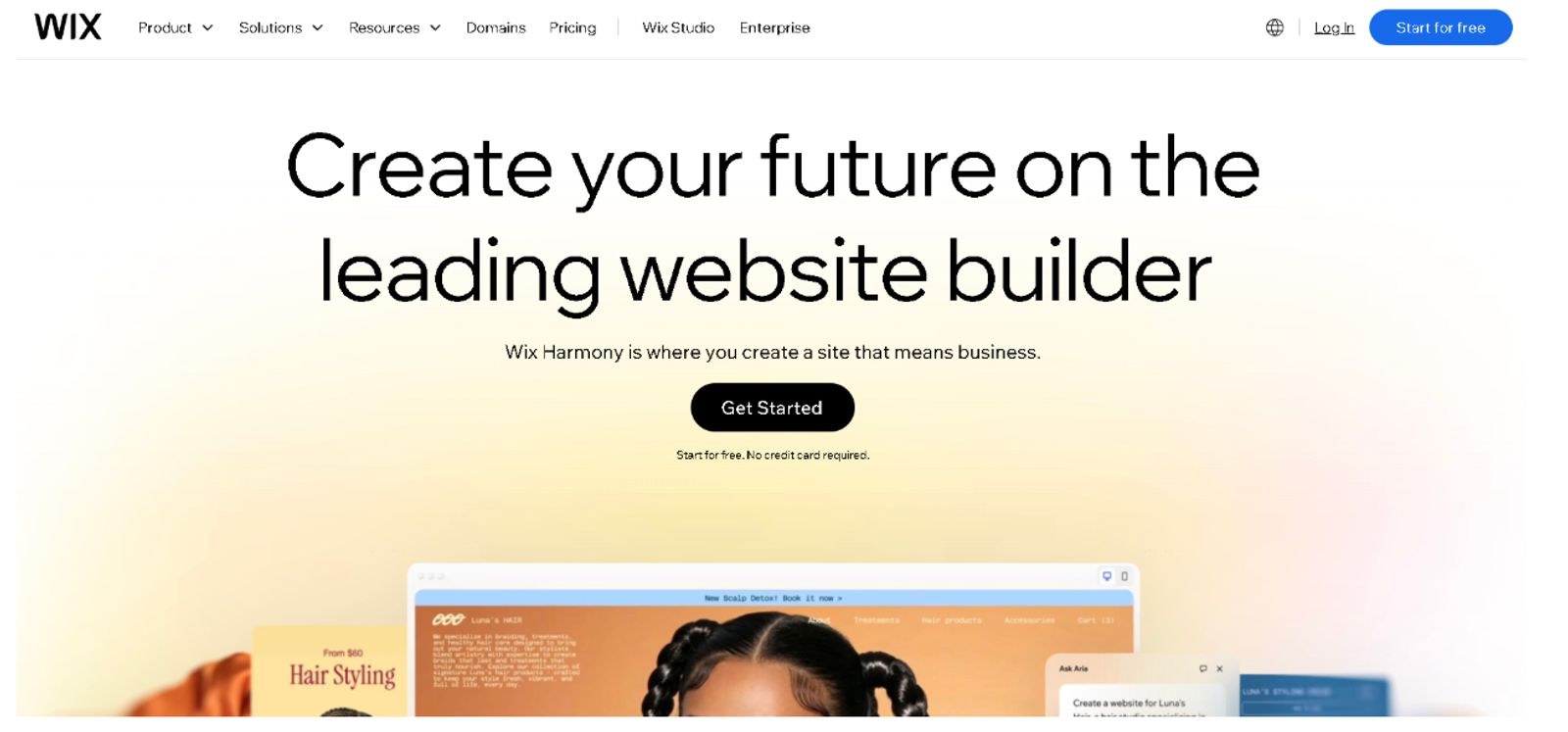
Wix gives growing brands total visual freedom when creating multi-page desktop sites. The drag-and-drop editor lets you place elements anywhere on a canvas, making it a flexible option for traditional small business projects or highly customized graphic designer websites.
Customizing complex layout options requires significant time, however, and keeping a massive site updated quickly becomes an ongoing task.
- Best for: Growing operations wanting deep design control across multiple custom pages.
- Standout features: Advanced drag-and-drop editor, massive template library, and robust blogging features.
- Pricing & fees: Plans range from $17 to $159 per month (billed annually), with the popular Business tier running around $39 per month, alongside standard payment processing fees.
- Limitations: Steeper learning curve and higher maintenance time compared to streamlined alternatives.
Squarespace: Best for Design-Led Brand Websites
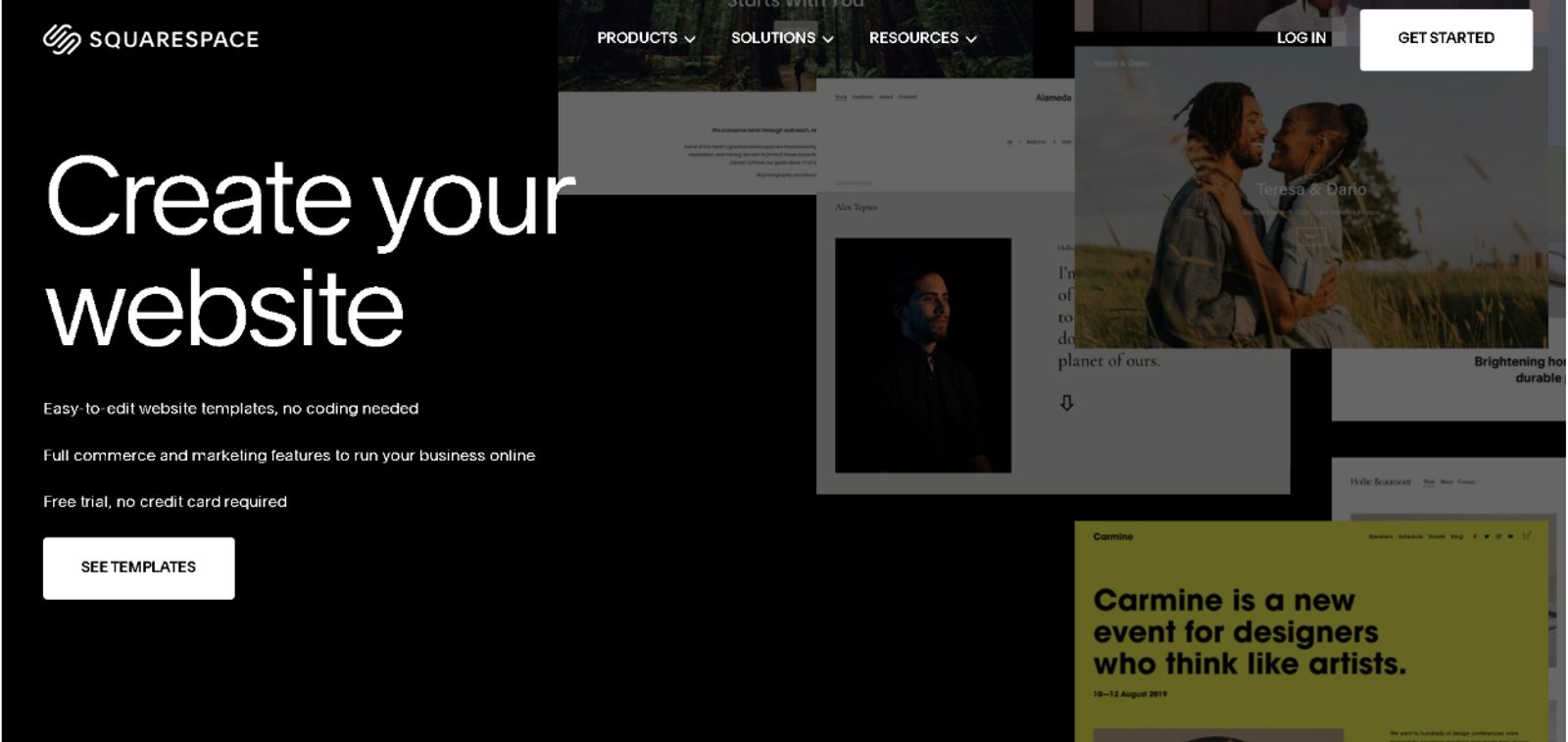
Creative studios and boutique shops often lean on Squarespace for its polished visual presentation, making it a popular website builder for artists and aesthetic-driven brands. Pre-built layouts feature immaculate typography and spacious photo galleries that elevate brand aesthetic.
Updating service packages can feel clunky, though, and taking client bookings requires a separate paid subscription to Acuity.
- Best for: Visual brands, boutique storefronts, and premium service providers.
- Standout features: Gorgeous pre-built templates, immaculate typography, and clean asset management.
- Pricing & fees: Plans range from $14 to $32 per month when billed annually (or $16 to $36 monthly), alongside standard payment gateway processing fees.
- Limitations: Complex navigation structures can feel restrictive for rapid content updates, and calendar booking requires an external Acuity subscription.
Shopify: Best for Product-Based Small Businesses (Online Stores)

Store owners handling physical inventory turn to Shopify for heavy-duty retail infrastructure. That’s because it handles shipping logistics, complex product variations, and high-volume order processing without breaking a sweat.
That said, service providers, coaches, and freelancers might find paying high monthly app fees for a simple portfolio completely unnecessary.
- Best for: Product-based small businesses and online stores needing robust inventory workflows.
- Standout features: Built-in Sidekick AI assistant, industry-leading checkout conversion rates, and extensive app integrations.
- Pricing & fees: Plans range from $39 to $399 per month when billed monthly (or $29 to $299 annually), alongside standard credit card processing rates and optional third-party app costs.
- Limitations: Ongoing monthly expenses add up fast due to required app extensions, making it an expensive mismatch for simple portfolios or service-based businesses.
Carrd: Best Cheapest One-Page Small Business Website
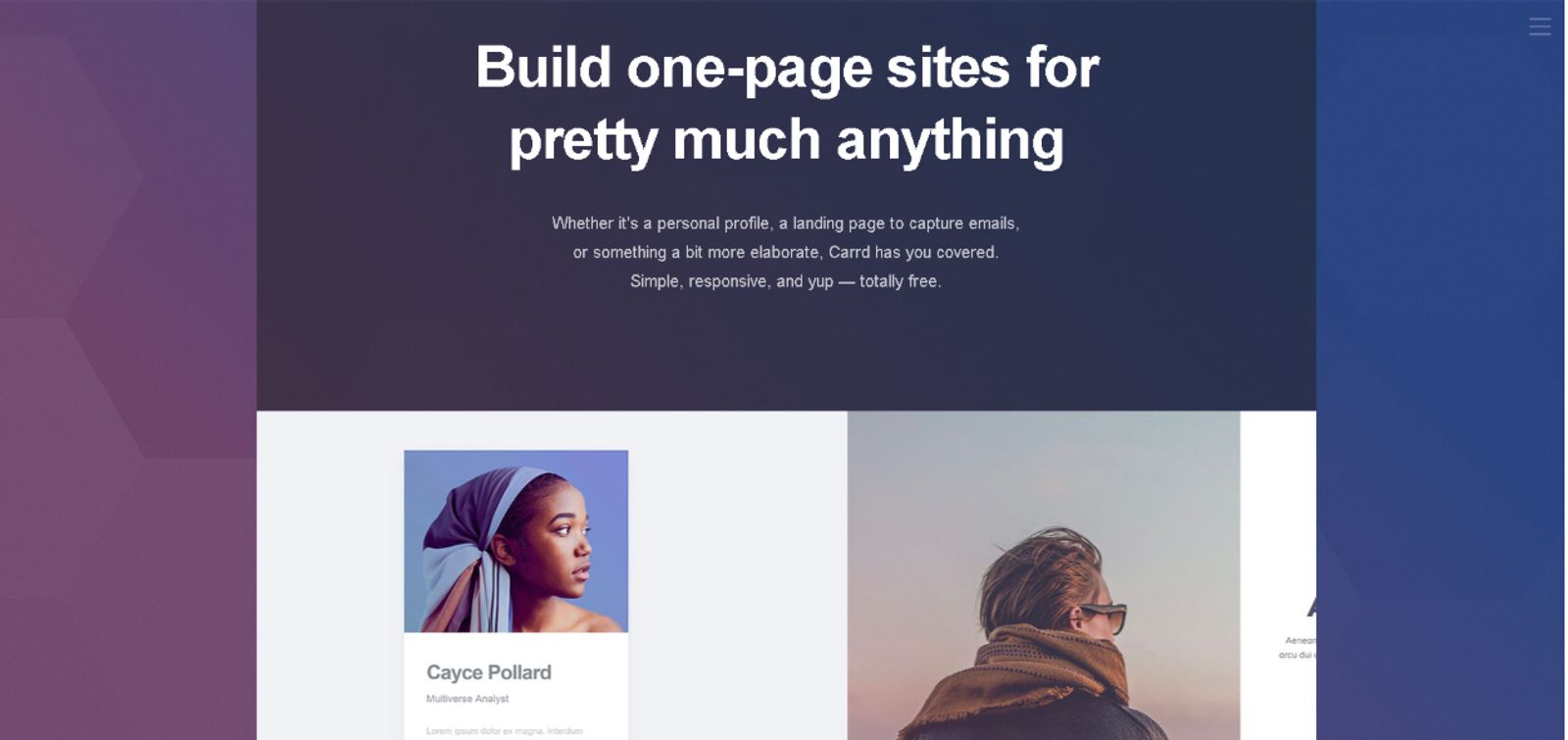
Carrd is a solid website builder option for small business owners operating on a strict budget. With this, building a basic personal profile or quick landing page requires minimal effort.
Just keep in mind that native product sales aren’t supported out of the box, as taking payments requires embedding external checkout widgets.
- Best for: Simple one-page sites built on a tight budget.
- Standout features: Blazing fast performance, clean single-page sections, and an exceptionally low barrier to entry.
- Pricing & fees: A free tier is available for up to three sites, while Pro plans start at $19 per year, plus standard payment processing charges where applicable.
- Limitations: The single-page architecture restricts deep multi-page scalability, and native e-commerce requires embedding external checkouts
Beacons: Best for Creator/Influencer Small Businesses
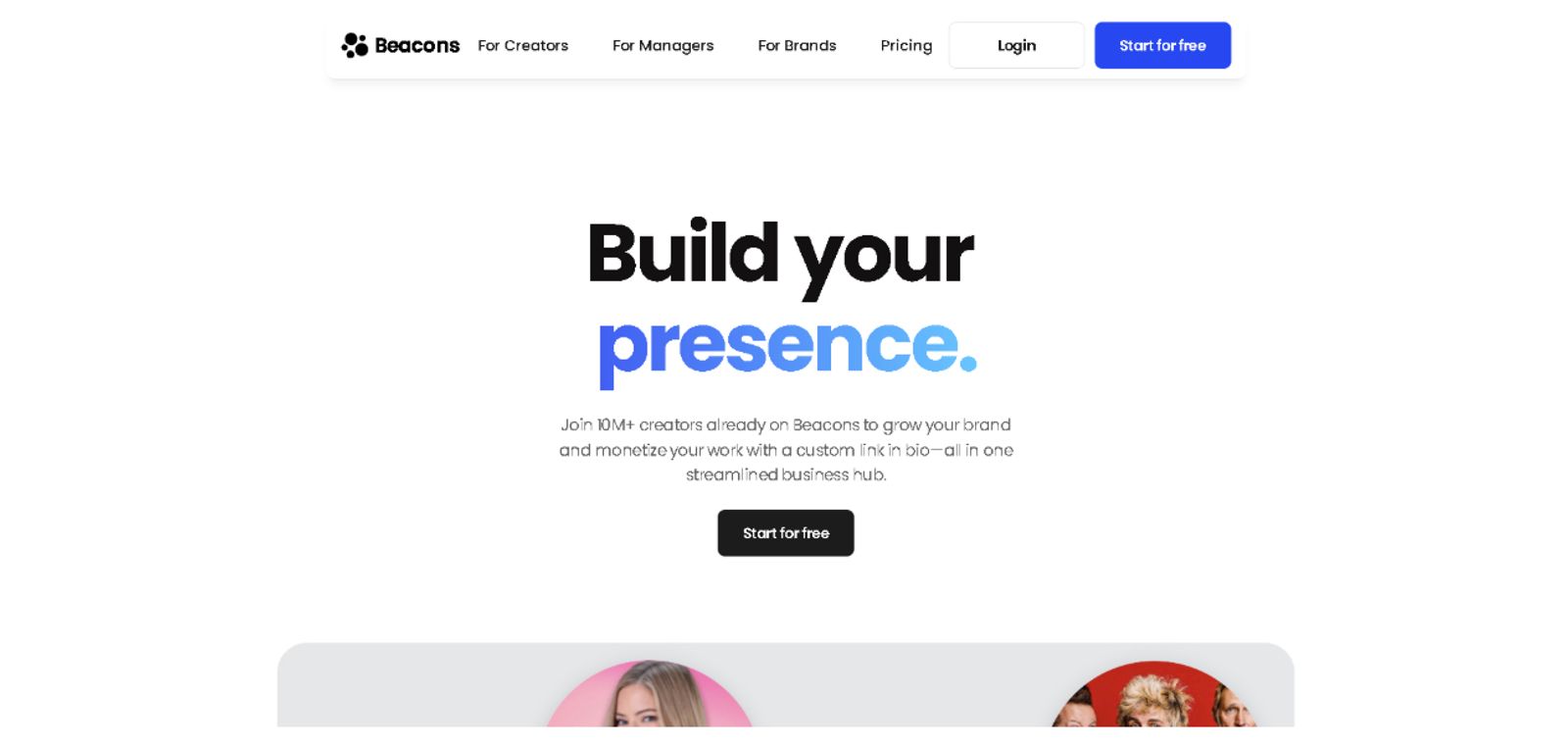
Many influencers on social platforms pick Beacons to pair a link-in-bio website with auto-updating media kits and email tools. Adding digital downloads takes only a few taps while audience metrics sync automatically.
However, selling on the free tier comes with a cost, as the platform pockets a hefty 9% cut out of every transaction.
- Best for: Creators and influencers monetizing an audience through digital stores, media kits, and email tools.
- Standout features: Beam AI assistant, auto-updating media kits, and integrated digital product sales.
- Pricing & fees: Free forever plan with a 9% seller fee, while paid tiers range from $10 to $90 per month (or $8.33 to $75 monthly when billed annually), dropping platform commission to 0% on Creator Plus and higher.
- Limitations: The 9% fee on the free plan eats into initial revenue, and essential upgrades like custom domains require switching to a paid subscription.
Stan Store: Best for Selling Courses and Coaching
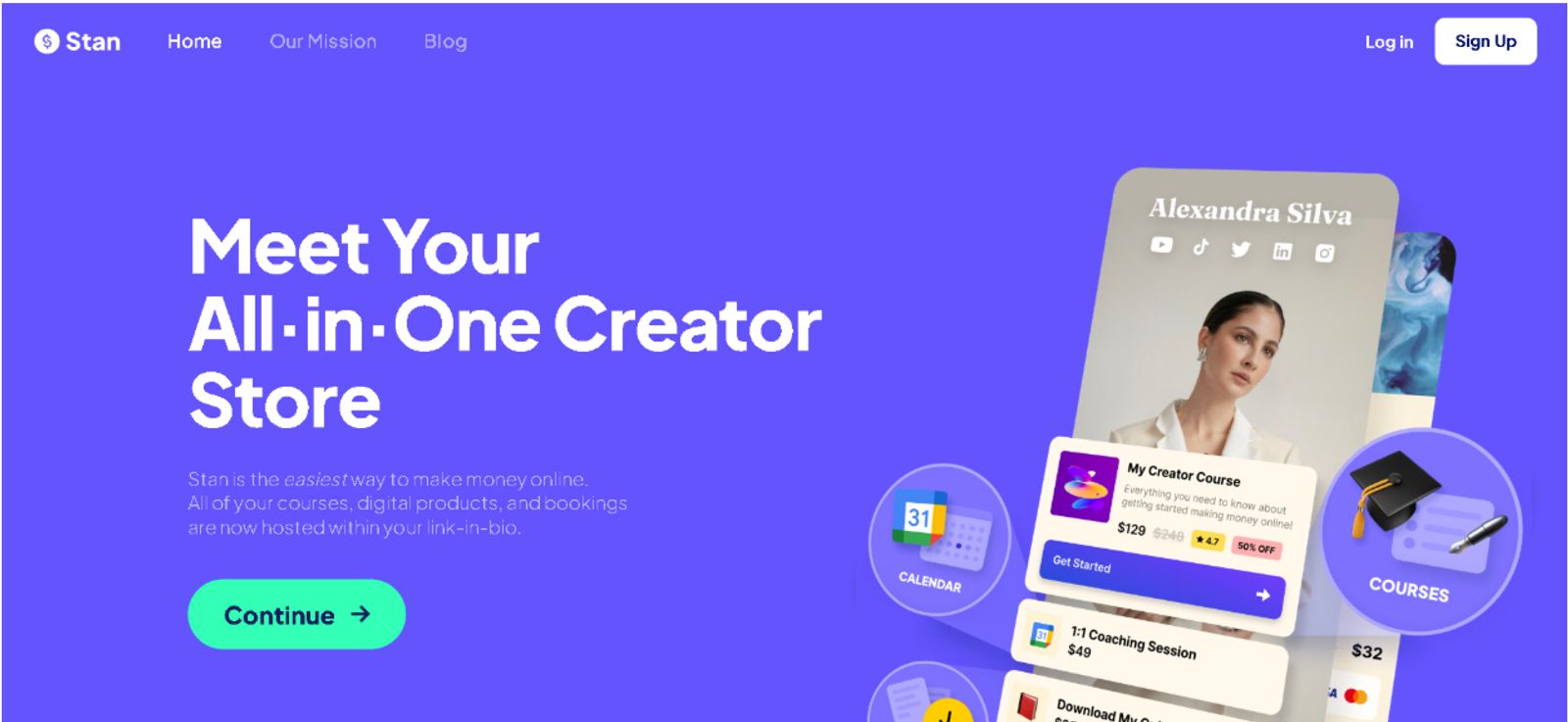
Coaches looking for a website builder with booking and payments frequently consider Stan Store to sell digital products and book 1:1 calls. What’s good about it is that creating a mobile-friendly store takes minimal configuration time.
Key marketing features like discount codes, order bumps, and automated email flows remain locked behind their steep $99 monthly plan, though.
- Best for: Coaches and course creators selling digital products, coaching sessions, and memberships.
- Standout features: One-tap checkout, built-in calendar scheduling tools, and a course content creator.
- Pricing & fees: Monthly subscriptions cost between $29 and $99 per month (or $25 to $79 monthly when billed annually) backed by a 14-day free trial, with 0% platform transaction fees.
- Limitations: Advanced features like email flows, order bumps, and discount codes are locked behind the most expensive tier, and custom branding is restricted.
Linktree: Best Simple Link Hub
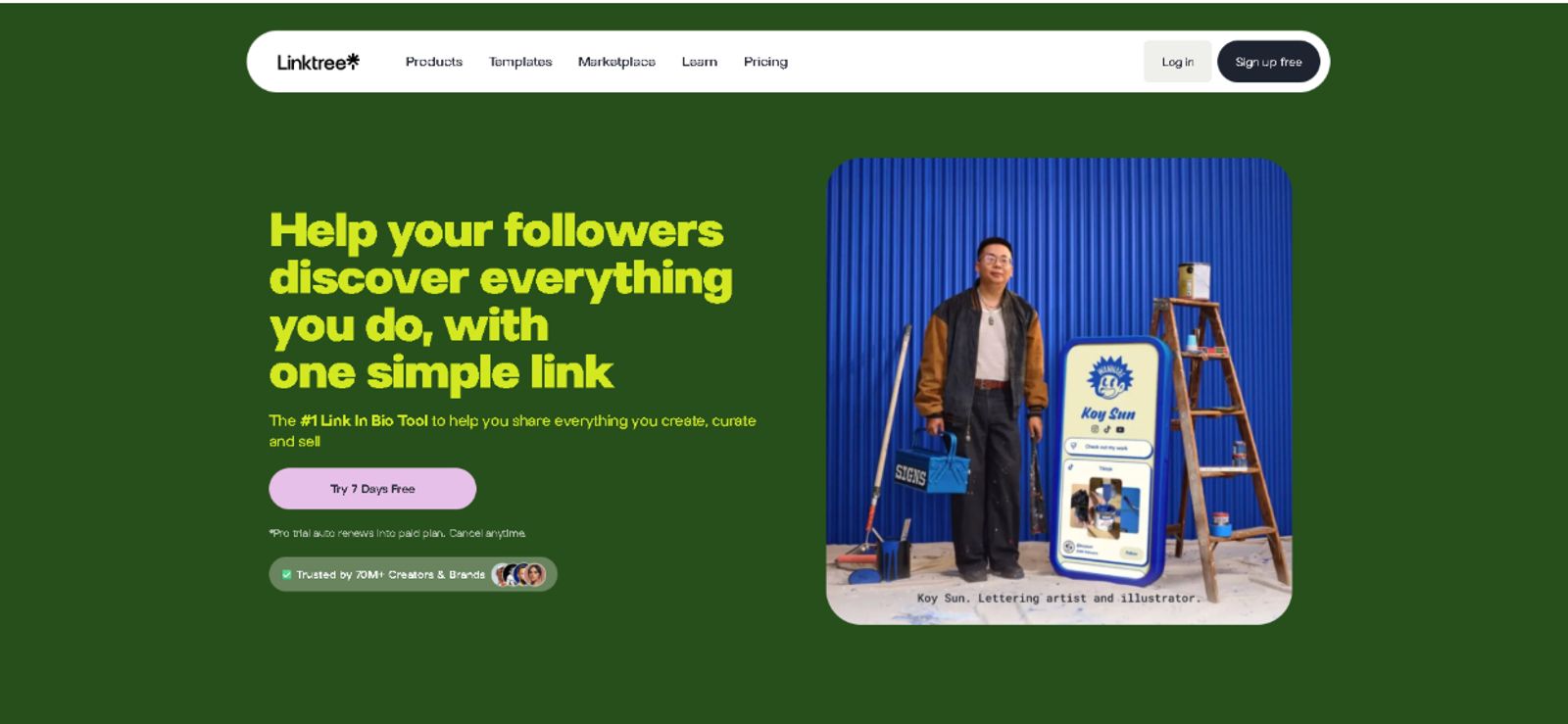
Linktree serves up a standard list of buttons for social profiles, though it works strictly as a basic link-in-bio tool rather than a full website like Julip. Organizing basic social handles takes about two minutes using this platform.
Additionally, its extensive third-party app integrations for streaming embeds make it a decent website builder for musicians who just need to share their latest tracks.
Selling products or removing platform branding requires upgrading through tiers that run up to $30 or $35 a month.
- Best for: Creators who just need a basic link list.
- Standout features: Unlimited basic links, video embeds, and extensive third-party app integrations.
- Pricing & fees: Free forever tier, with paid plans ranging from $6 to $30 per month when billed annually (or $8 to $35 monthly), alongside transaction fees reaching up to 12% on lower tiers.
- Limitations: The free plan forces platform branding onto your page, and if you want to keep 100% of your sales revenue, you can explore other Linktree alternatives.
What the Best Websites for Small Businesses Have in Common
Top-performing websites for small businesses consistently focus on lightning-fast mobile speeds, clear service packages, native checkout tools, zero platform fees, and direct email capture.
One thing to also keep in mind is that most social media traffic hits your page from a smartphone. Therefore, pages that lag or squish portfolio images into cramped layouts send prospective clients running straight to a competitor.
Purpose-built options like Julip adjust media automatically so mobile visitors enjoy a seamless viewing experience from top to bottom.
Once visitors land on a clean mobile layout, clear service packages make it obvious how to work with you. Integrating direct calendar scheduling alongside instant Stripe payment options lets clients book calls immediately, eliminating days of direct messages back and forth.
Closing those client bookings efficiently feels even better when you get to keep every dollar you charge. Platforms operating with 0% platform transaction fees let freelancers protect their profit margins on digital products and coaching sessions, avoiding the heavy cuts taken by tools like Linktree or Beacons that grab up to 12% in seller fees.
Keeping your full earnings strengthens daily cash flow, but scaling a lasting business means securing your audience outside of third-party platforms. Capturing email addresses through a free download builds a direct line to future clients without relying on changing social media algorithms.
And linking that email form to a custom domain projects immediate professionalism whenever you pitch brand deals or premium contracts.
How to Choose the Best Small Business Website Builder for You

Finding the best small business website builder comes down to picking software that matches your daily operational workflow rather than overpaying for heavy features you’ll never use. And matching a platform directly to your business model saves money every month and prevents managing a messy stack of extra apps.
Solo freelancers, social media managers, UGC creators, and coaches who need a website builder with booking and payments should start with Julip. For $19 per month with zero platform commission fees, it combines a visual portfolio, service menus, calendar scheduling, digital product sales, and email opt-in forms into a streamlined website-in-bio.
When your operation requires traditional multi-page desktop navigation, heavy blogging, or custom page layouts, a platform like Wix or Squarespace makes sense. Wix grants complete visual canvas control starting between $17 and $39 per month, while Squarespace delivers polished typography tailored for boutique brands and creative studios.
Businesses managing physical product inventory, shipping logistics, and multiple product variants ought to pick Shopify. Starting at $29 per month when billed annually, its e-commerce engine handles high-volume checkout processing that service-focused tools aren’t built to support.
Finally, budget-conscious creators who simply want a basic personal profile or landing page should look at Carrd. Operating as the cheapest website builder for small business setups at $19 per year, it builds clean single-page sites as long as native calendar scheduling and direct digital store features are not required.
Frequently Asked Questions
What is the best website builder for a small business in 2026?
Julip stands out as the best website builder for small business solo operators, freelancers, and creators who need an all-in-one site with built-in payments and booking. Traditional physical store owners with large inventory setups will prefer Shopify, while companies needing extensive multi-page desktop sites often choose Wix.
What is the best website builder for a service-based or solo small business?
Julip provides the ideal setup for service providers, consultants, and solo business owners. It bundles a portfolio, service menu, appointment scheduling, and Stripe checkout into a single page starting at $19 per month billed annually with 0% platform transaction fees.
Do I need a full website or is a link-in-bio site enough for my small business?
Basic link lists often fail to convert visitors because they lack detailed portfolio showcases and direct checkout features. Modern website-in-bio platforms like Julip solve this by giving service providers a complete visual home with booking, storefronts, and client reviews right inside one link.
What is the cheapest website builder for a small business?
Carrd holds the title for the cheapest website builder for small business users at just $19 per year for basic single-page landing sites. However, solo operators needing built-in appointment scheduling and storefront tools without hidden selling fees will find Julip delivers the best overall value at $19 per month.
Which small business website builder has booking and payments built in?
Julip includes native calendar scheduling and direct Stripe payment processing out of the box for $19 a month with no platform commission cuts. Competitors like Stan Store also offer native booking and checkout, but charge higher monthly entry rates starting at $29 per month.
Do small business website builders charge transaction fees?
Platform transaction fees depend heavily on your chosen software and subscription tier. Julip and Stan Store maintain 0% platform transaction fees on all paid accounts, whereas free and starter tiers on Beacons or Linktree collect fees ranging from 9% to 12% on digital sales.
Will a small business website builder rank on Google (SEO)?
Custom domain connections and clean mobile code enable modern page builders to index and rank on search engines. Connecting a custom domain on platforms like Julip, Squarespace, or Wix allows small business owners to optimize titles, descriptions, and content for local search keywords.
Which website builder is easiest for a non-technical small business owner?
Julip offers a completely no-code, plug-and-play design that arranges portfolios, service lists, and booking buttons automatically. Users simply paste their text and media into pre-built sections without tweaking complex design grids or managing hosting settings.
What is the best website builder for an online store / product-based small business?
Shopify serves product-centric brands best due to its powerful inventory management, shipping calculations, and multi-channel retail integrations. Smaller digital storefronts selling guides, templates, or coaching calls can skip heavy retail overhead by using streamlined alternatives like Julip.
Can one platform replace my website, booking tool, and shop?
All-in-one software platforms combine these separate business functions into a single dashboard. Swapping individual subscriptions to Calendly, Squarespace, and third-party checkout tools for Julip reduces monthly overhead to $19 billed annually while keeping all client touchpoints in one place.
What is the best free website builder for a small business?
Carrd and Linktree provide solid free tiers for ultra-basic landing pages, though they include platform branding and transaction commissions. Testing premium platforms like Julip through a 14-day free trial gives business owners access to full monetization features without committing upfront cash.
Which builder is best for a creator or freelancer small business?
Julip was built specifically for social media managers, UGC creators, coaches, and creative freelancers. It brings client testimonials, video portfolios, rate cards, and direct calendar bookings together under one link so brands can hire you on the spot.
Conclusion
Choosing the best website builder for small business growth comes down to your exact daily operational needs and billing budget.
Product-heavy storefronts requiring warehouse shipping workflows belong on Shopify, while growing agencies needing complex multi-page layouts lean toward Wix or Squarespace. Budget shoppers seeking an ultra-simple landing page can launch on Carrd.
Solo operators, social media managers, UGC creators, coaches, and creative freelancers usually need a far more streamlined setup, however. Instead of paying $57 or more every month across separate tools like Calendly, Linktree, and Canva, Julip bundles your visual portfolio, service menu, calendar scheduling, digital product storefront, and email collector into one clean website-in-bio.
Ready to upgrade your bio link into a full website that actually closes deals?
Starting your 14-day free trial with Julip gives you total access to publish your portfolio, list your service packages, and start taking client bookings without spending a dime upfront.